The internet is an amazing place where kids can learn new things, play games, watch videos, and talk to friends. The internet is an amazing place where kids can learn new things, play games, watch videos, and explore safe and fun websites for kids. But just like in the real world, it’s important to follow certain rules to stay safe and respectful online. These are called cyber rules.
Cyber rules help children understand how to use the internet responsibly while protecting their privacy and safety. When kids learn these rules early, they can enjoy the digital world while avoiding many common online dangers.
Below are some important cyber rules every child should follow.
1. Keep Personal Information Private
One of the most important cyber rules is never sharing personal information online. Children should learn why protecting personal information online is important and how it helps keep them safe while using the internet. Personal information includes things like:
- Your full name
- Your home address
- Your phone number
- Your school name
- Passwords
Sharing personal details with strangers online can be dangerous. Always ask a parent or trusted adult before sharing any information on the internet.
2. Never Share Your Passwords
Passwords are meant to protect your accounts. They should be kept secret and only shared with parents or guardians when necessary.
A strong password usually includes a mix of letters, numbers, and symbols. Keeping passwords private helps prevent others from accessing your accounts. Learning how to create a strong password is an important part of staying safe online and protecting personal accounts.
3. Be Kind and Respectful Online
Just like in school or at home, it’s important to treat others with kindness online. It’s important to treat others with kindness online and practice good online netiquette when communicating with others. Being respectful online helps prevent cyberbullying, which can harm others and create a negative online environment.
Writing mean messages, spreading rumors, or making fun of others can hurt people and may be considered cyberbullying.
Always remember the golden rule of the internet:
Treat others online the way you want to be treated.
4. Think Before You Click
Not every link or message online is safe. Some links can lead to viruses, scams, or inappropriate content. Kids should also learn about recognizing online ads and sponsored content, since some links are designed to attract clicks. Kids should be careful because some websites or messages may lead to online scams designed to trick people into clicking unsafe links.
Before clicking on anything online, ask yourself:
- Do I know who sent this?
- Does the message seem strange?
- Should I ask a parent or teacher first?
If something looks suspicious, it’s always better to ask an adult for help.
5. Only Talk to People You Know in Real Life
Sometimes strangers try to talk to kids online through games, social media, or chat apps. Even if someone seems friendly, it’s important to remember that people online may not always be who they say they are.
Kids should only chat online with people they know in real life and should tell a parent if a stranger tries to contact them.
6. Tell a Trusted Adult if Something Feels Wrong
If something online makes you feel uncomfortable, scared, or confused, it’s important to talk to a trusted adult right away. If children see something dangerous or inappropriate online, they should report unsafe online behavior and ask an adult for help.
Parents, teachers, or guardians can help solve problems and keep you safe.
Never feel embarrassed about asking for help when something online doesn’t feel right.
7. Ask Permission Before Downloading or Posting
Downloading games, apps, or files without permission can sometimes bring viruses or unsafe content onto a computer. Parents can help children choose safe websites for younger children that provide fun learning activities.
Kids should always ask a parent or teacher before:
- Downloading apps or games
- Posting photos or videos
- Signing up for websites
This helps make sure everything online stays safe and appropriate.
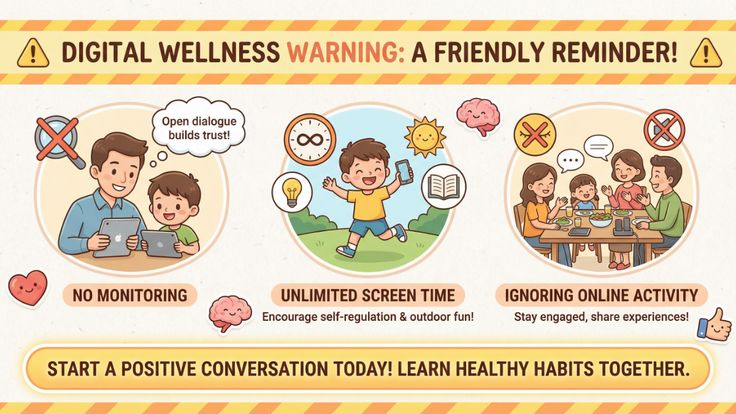
8. Balance Online and Offline Time
While the internet can be fun and educational, it’s important to balance screen time with other activities such as:
- Playing outside
- Reading books
- Spending time with family
- Doing hobbies and sports
A healthy balance helps kids stay happy, active, and focused. Parents can follow healthy screen time guidelines for children to help maintain a good balance between online and offline activities.
Helping Kids Become Cyber Smart
Learning cyber rules helps children become responsible digital citizens. With the right guidance, kids can explore the internet safely while developing important online skills.
Parents and teachers also play a key role by discussing internet safety regularly and encouraging children to ask questions when they are unsure. Parents should also understand how digital marketing targets children online so they can help kids recognise advertising and sponsored content.
By following these simple cyber rules, kids can enjoy the internet while staying safe, respectful, and cyber smart.