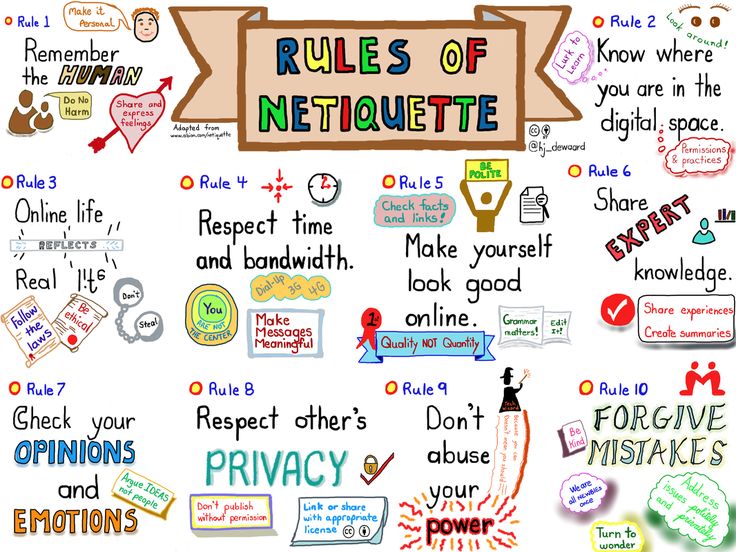
As children spend more time online for learning, communication, and entertainment, it becomes increasingly important for them to understand how to behave responsibly on the internet. Just like good manners matter in real life, they also matter online. This concept is known as netiquette, or internet etiquette.
Teaching children proper netiquette helps them interact respectfully with others, avoid misunderstandings, and protect their digital reputation. It also plays a key role in building a safer and more positive online environment.
What Is Netiquette?
Netiquette is the set of rules and guidelines that encourage respectful and appropriate behavior when using the internet. The term combines the words “network” and “etiquette”, referring to acceptable conduct when communicating online.
Because online communication often lacks facial expressions, tone of voice, and body language, messages can easily be misunderstood. Practicing good netiquette helps prevent conflicts and encourages positive interactions online. Many educators teach netiquette as part of digital citizenship education, which focuses on responsible online behavior and internet safety.
For children, learning netiquette is an important part of becoming a responsible digital citizen. Learning and following cyber rules for kids can also help children understand how to behave safely and responsibly while using the internet.
Why Netiquette Is Important for Kids
The internet provides incredible opportunities for learning, creativity, and connection. However, it also presents challenges such as cyberbullying, misinformation, and unsafe interactions. Resources from organizations like StopBullying.gov explain how cyberbullying affects young people and how families can respond effectively.
Teaching netiquette helps children:
- Treat others with respect online
- Avoid cyberbullying and harmful behavior
- Protect their personal information
- Communicate clearly and responsibly
- Build a positive digital reputation
When kids understand how their online actions affect others, they are more likely to make safe and thoughtful choices online.
Basic Netiquette Rules for Kids
Here are some simple guidelines children can follow to behave responsibly online.
1. Treat Others with Respect
The most important rule of netiquette is simple: treat others online the way you want to be treated. Being polite and respectful helps create positive online communities.
Avoid insulting comments, offensive language, or spreading rumors.
2. Think Before You Post
Once something is posted online, it can be difficult to remove. Encourage children to pause and think before sharing messages, photos, or videos.
Ask questions like:
- Would I say this in person?
- Could this hurt someone’s feelings?
- Would I be comfortable if a teacher or parent saw it?
Developing this habit helps protect a child’s digital footprint.
3. Use Kind and Clear Communication
Online messages should be clear, friendly, and easy to understand. Avoid writing in ALL CAPS, which can appear as shouting, and try to use proper spelling and grammar when possible.
Being thoughtful with words helps prevent misunderstandings.
4. Respect Other People’s Privacy
Children should never share personal information such as:
- Home address
- Phone numbers
- Passwords
- School details
Protecting personal information helps prevent identity theft, scams, and other online risks.
5. Be Careful When Talking to Strangers
Not everyone online is who they claim to be. Kids should avoid interacting with strangers in chats, games, or social media without parental guidance.
If something online feels uncomfortable or suspicious, they should tell a trusted adult.
6. Don’t Spread Rumors or Fake Information
Sharing false information can harm others and damage trust. Encourage children to verify information before reposting or sharing it. It’s also helpful for kids to learn about recognizing online ads and sponsored content, since some posts online are designed to promote products rather than provide accurate information.
Responsible sharing helps maintain honesty and respect in online spaces.
7. Report Problems and Cyberbullying
If children experience or witness bullying online, they should not respond with anger. Instead, they should:
- Save evidence such as screenshots
- Block the person responsible
- Report the behavior
- Inform a trusted adult
Taking action helps keep online communities safer for everyone.
Helping Children Practice Good Netiquette
Parents and educators play an important role in teaching online behavior. Parents can also support healthy internet habits by following screen time guidelines for children that balance digital activities with offline play and family time. Some helpful steps include:
- Discussing online safety regularly
- Setting clear rules for internet use
- Encouraging open communication
- Monitoring online activity when appropriate
Children learn best through example, so adults should also model respectful and responsible online behavior.
Final Thoughts
Netiquette is an essential skill for today’s digital world. By learning how to communicate respectfully, protect their privacy, and behave responsibly online, children can enjoy the benefits of the internet while staying safe.
Teaching kids good netiquette not only protects them but also helps create a kinder and more respectful online community for everyone.